
30 years after the genocide in Srebrenica
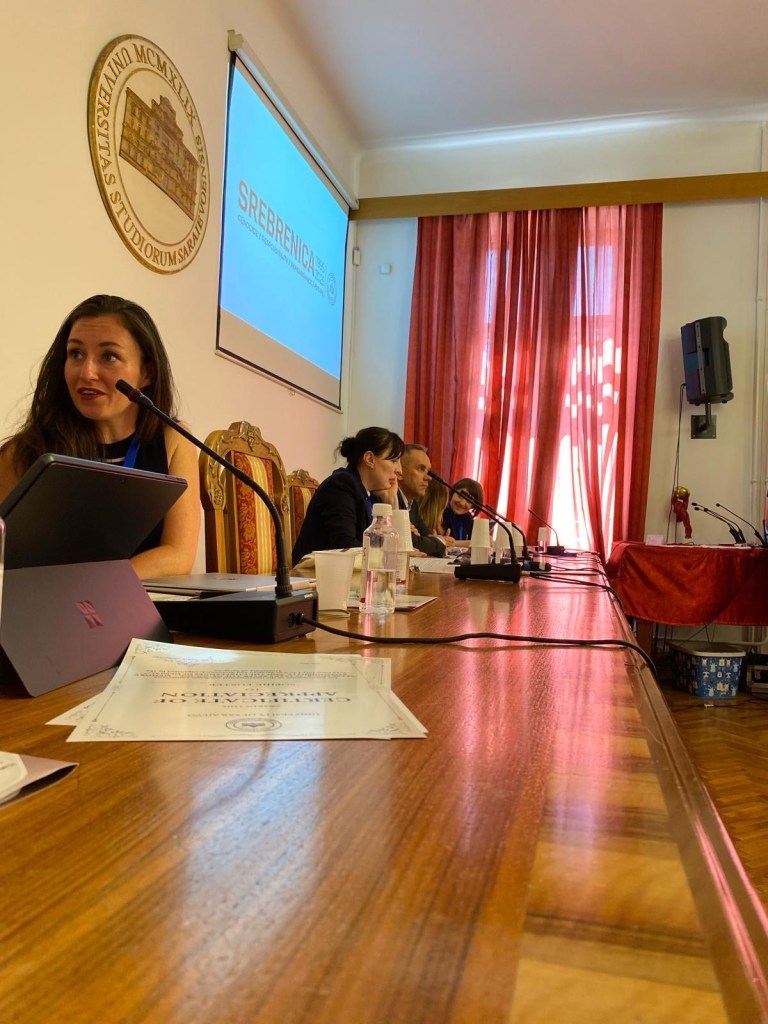
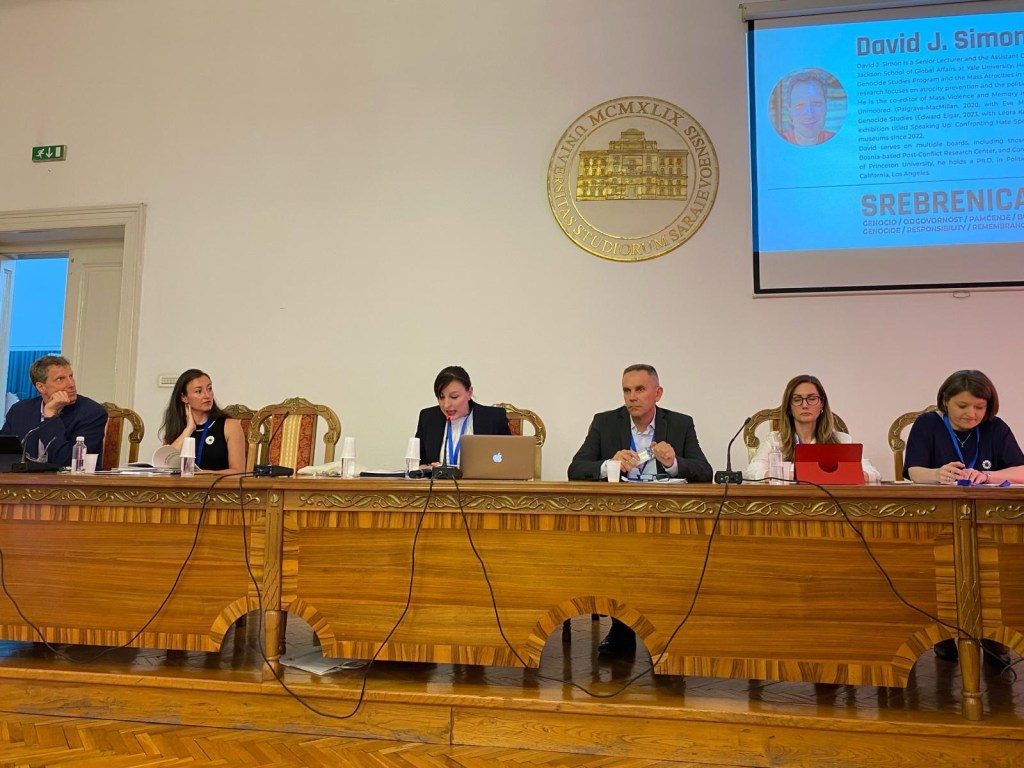
This year marks 30 years since the genocide in Srebrenica, Bosnia and Herzegovina. Niké Wentholt was invited to speak at the international conference Srebrenica 30 Years After the Genocide: Memory, Responsibility, and the Challenges of Denial. Leading researchers in genocide studies, including Dirk Moses, Hikmet Karčić, Edina Bećirević, Henry Theriault, and Hariz Halilovich emphasised how Srebrenica was part of a longer genocidal campaign in the whole of Bosnia. They also urged researchers to value survivor testimonies. These show us, after all, the true and lasting impact of genocide that neither starts nor stops at the moment of killings. Participants agreed on the importance to understand Srebrenica in relation to other genocides, including in Rwanda, Palestine, and settler colonial states like the US. Unfortunately, the conference took place during a time of increased ongoing denial and even glorification and triumphalization (Halilovich) of the Srebrenica genocide. This underlined the importance to keep speaking about the genocide.
During the opening ceremony that hosted many Bosnian officials and media, organizers called on (international) academics to take their responsibility in studying the genocide in full. In line with this call, and as the only Dutch researcher present, Niké spoke on Dutch (mis)recognition of its involvement in the Srebrenica genocide. She was interviewed for the university’s podcast that will be published soon.
On the final day of the conference, the invited academics travelled to Srebrenica to visit the Memorial Center and lay flowers at the cemetery where most of the 8372 murdered boys and men were laid to rest – a number of them still are missing or waiting to be identified, and around 60 women and children were also killed in the genocide.

 Homepage