
This is a discussion note by Nicole Immler and Niké Wentholt on the Child Benefit Affair. They discuss reparation as a social task and the visible transformation of relationships.
Lees verder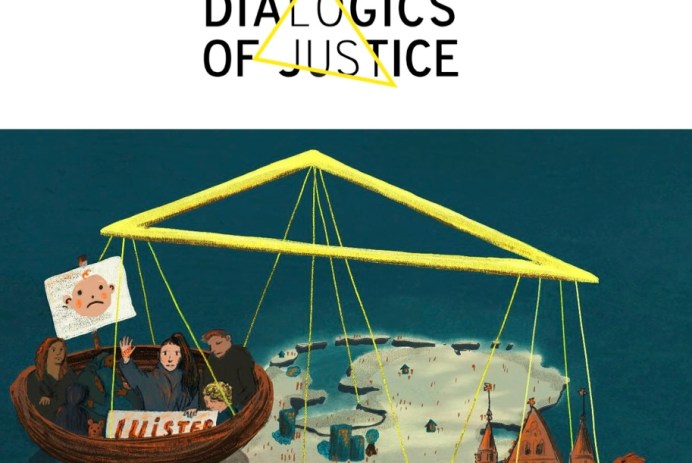
This is a discussion note by Nicole Immler and Niké Wentholt on the Child Benefit Affair. They discuss reparation as a social task and the visible transformation of relationships.
Lees verder
Slavery & the Dutch State. Dutch Colonial Slavery and Its Afterlives.
In this chapter Nicole Immler discusses the legacy of slavery with a transgenerational perspective on repair and Transformative Justice.
As of may 2025 an English translation is available.
Lees verder
Can you address historical injustice via civil court procedures and why could this be important? In this article Niké Wentholt and Nicole Immler explore the role civil courts could play in facilitating the slavery justice movement.
Lees verder
Nicole Immler on The Netherlands-Indies and rethinking post-colonial recognition from a multi-voiced perspective. She argues that in the communication of pain, language matters.
Lees verder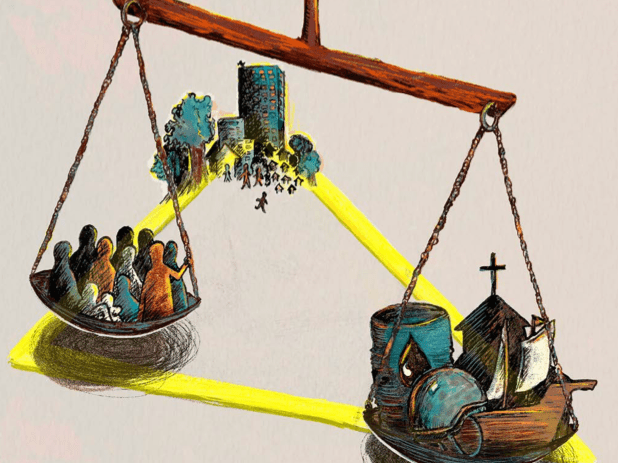
Nicole Immler’s inaugural lecture on the (dia)logics of recognition and restoration. She discussed the importance of history for justice.
Lees verder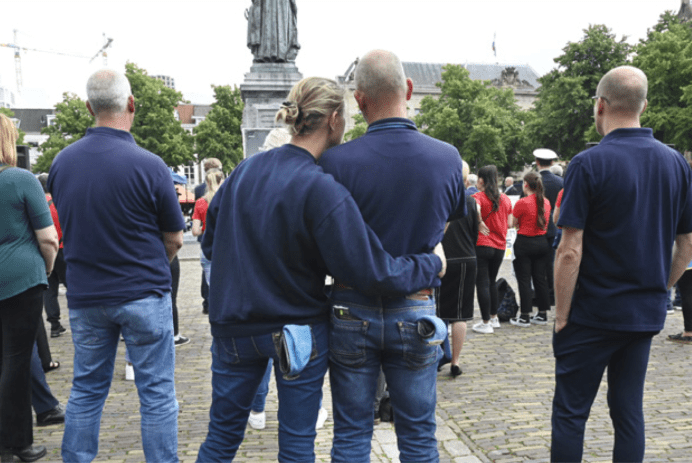
Nicole Immer, Siri Driessen and Jeannette van Brenk on when return journeys of veterans are truly meaningful. They discuss the return journeys of veterans from a relational perspective.
Lees verder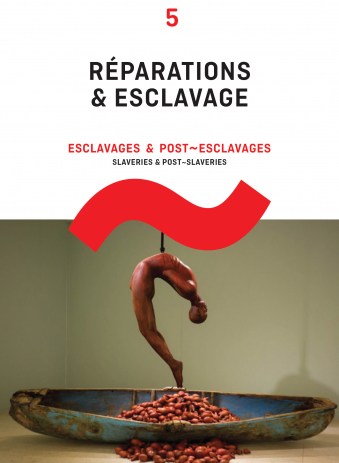
Nicole Immler on what is meant by ‘repair’ when claiming reparations for colonial wrongs. She discusses Transformative Justice for the Dutch Slavery Past.
Lees verder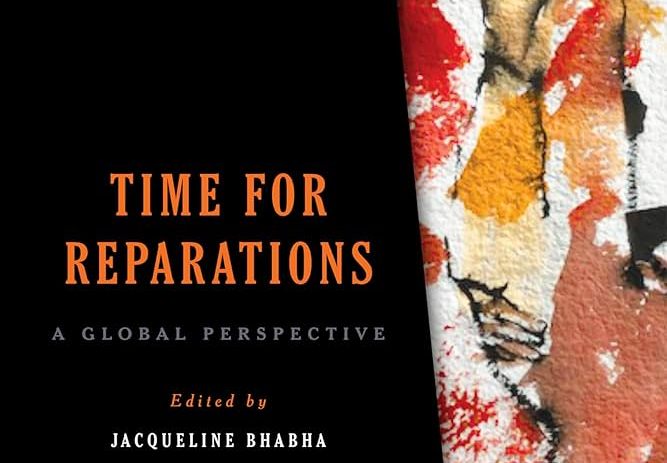
Chapter by Nicole Immler on Colonial history at court: Legal decisions and their dilemmas.
Lees verder
The colonial past is a legacy that connects generations over time and remains vividly present today. From a new generational perspective, Nicole Immler discusses how to deal with this legacy.
Lees verder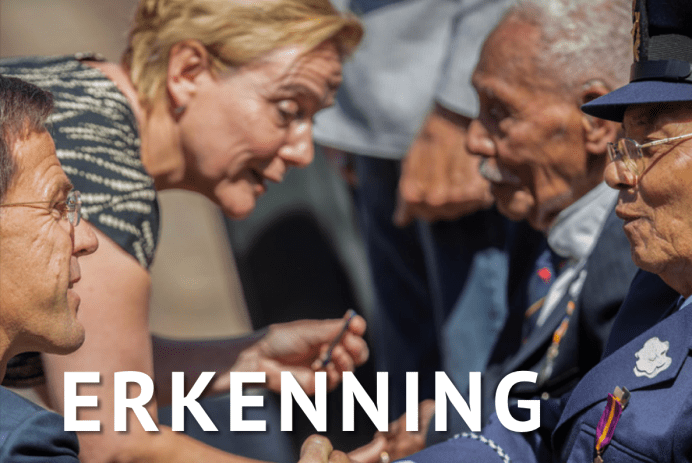
Nicole Immler on the history of recognition since World War II. She concludes her article with a plea for broader recognition—not only for victims but also for their social environment and community.
Lees verder Homepage