
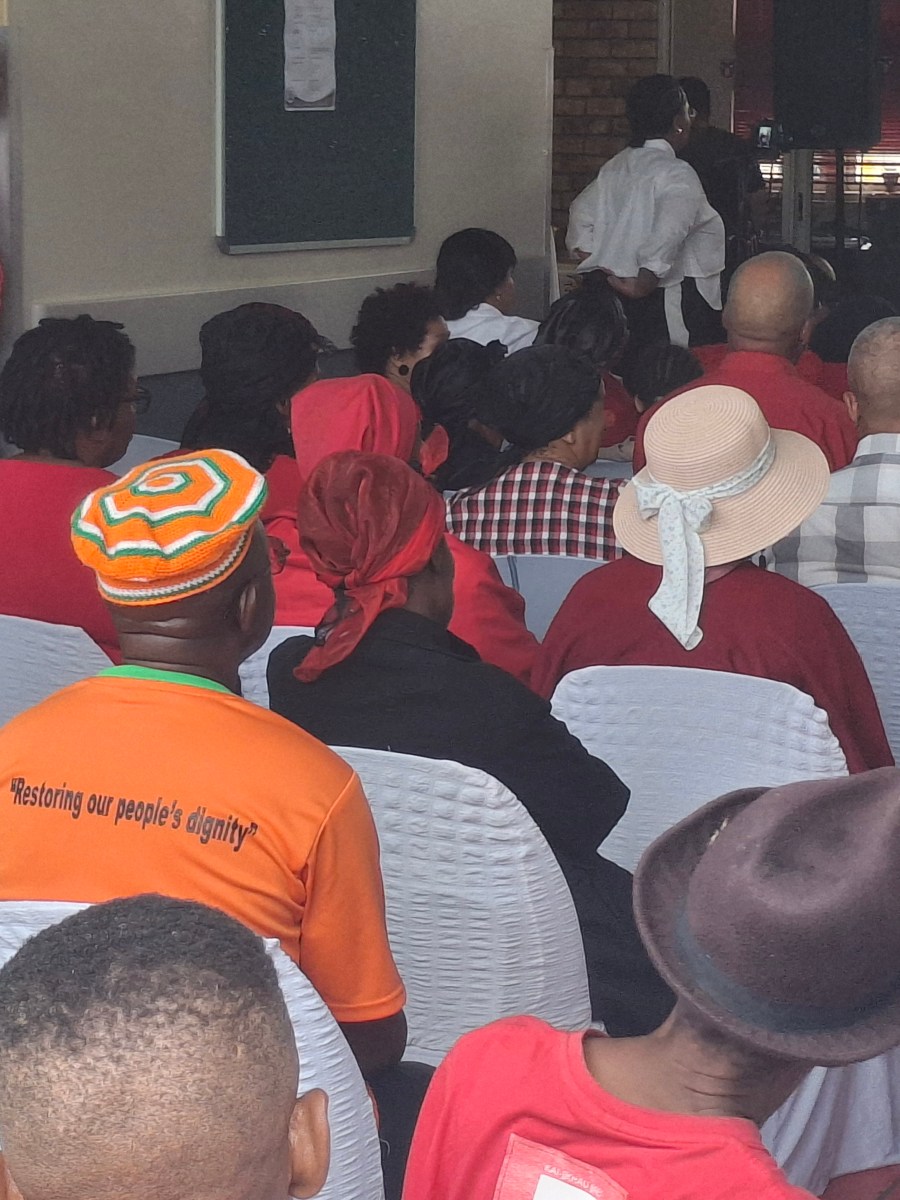
“What is the restitution that you are calling for?”: Hoe Namibische belongings uit Duitse collecties terugkeren
Restitutie is een sociaal proces op zich, dat bestaande machtsstructuren weerspiegelt en reproduceert. Terwijl het beweert schade te herstellen, kan het net zo goed nieuwe schade aanrichten door stemmen uit te sluiten en te marginaliseren. Tegelijkertijd betekent restitutie een vorm van thuiskomst. Dit wordt goed zichtbaar in de ervaringen van Namibische nazaten met processen van…
Lees verder
Herstel als maatschappelijke opdracht: zichtbare transformatie van relaties
The Child Benefits Scandal harmed individuals, families, and social relationships. Despite significant investments in repair, many victims still find these efforts inadequate, partly due to the lack of a systemic, society-wide approach. This article explores societal repair using theories of transformative justice, resonance, and the justice continuum, presenting repair as a multi-level process. It proposes…
Lees verder
Historical abuse in Dutch Catholic institutions: A qualitative evaluation of victim-survivors’ experiences with redress procedures
This study examines survivors’ experiences with redress mechanisms for historical abuse by Catholic clergy in the Netherlands, showing that empathetic, participatory procedures fostered greater recognition and agency than rigid, adversarial processes.
Lees verder
Emotienetwerken in tijden van ongemak
How can the conversational method of emotion networking help in situations where mutual understanding is no longer possible or the conversation seems to be stuck? In this article, Rosa Mul and Limor Reshef explore how emotion networking can also be valuable in providing insight into emotions surrounding themes such as (historical) injustice, recognition, and justice.…
Lees verder
The Multivoiced Archive: Connecting Oral Histories of Historical Injustices
How to make the archive speak? This entry by Nicole Immler is about rethinking more deeply the oral history archive—an archive in which hitherto “unheard voices” will be voiced in ways they might more easily and differently listened to. This means going beyond being solely an academic depository, but being dialogical in multiple ways: the…
Lees verder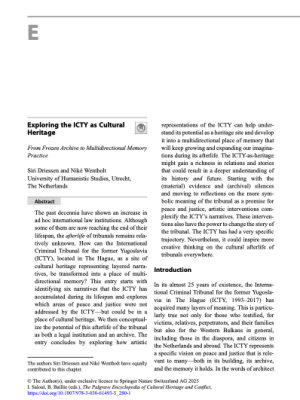
Exploring the ICTY as Cultural Heritage
The past decades have shown an increase in ad hoc international law institutions, yet the afterlife of tribunals remains relatively unknown. This entry by Niké Wentholt and Siri Driessen explores how the International Criminal Tribunal for the former Yugoslavia (ICTY) in The Hague, as a site of cultural heritage with layered narratives, can be transformed…
Lees verder
Catholic Clergy Abuse in the Netherlands: The Role of Social Relations in Redress Procedures
This article examines how redress procedures for clerical abuse in the Netherlands shape and are shaped by survivors’ social relationships, showing that relational and intergenerational dynamics are central to experiences of justice and healing.
Lees verder
Restitution as Restoration and Transformation
Leah Niederhausen wrote an entry on restitution as both a restorative and transformative concept for The Palgrave Encyclopedia of Cultural Heritage and Conflict.
Lees verder
Finding the Truth but Ending the Conversation? How Dutch Civil Court Cases on the Srebrenica Genocide Shaped the Space for Reparation
Niké Wentholt and Alma Mustafić wrote a chapter on repair for the Srebrenica genocide in the Netherlands Yearbook of International Law.
Lees verder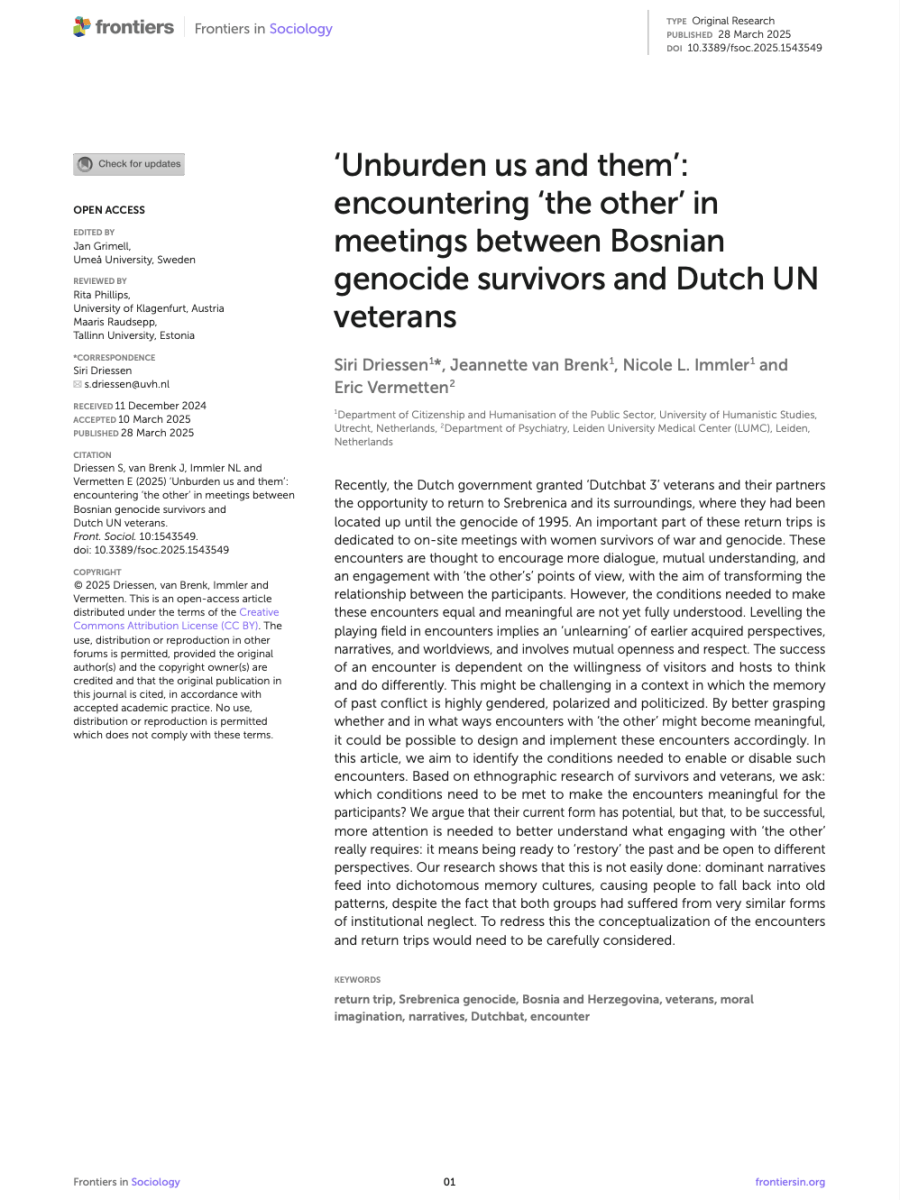
‘Unburden us and them’: encountering ‘the other’ in meetings between Bosnian genocide survivors and Dutch UN veterans
The Dutch government has offered Dutchbat 3 veterans and their partners to return to Srebrenica and meet with women survivors of war and genocide. Siri Driessen, Jeannette van Brenk, Nicole Immler and Eric Vermetten aim to identify which conditions need to be met to make them meaningful for the participants.
Lees verder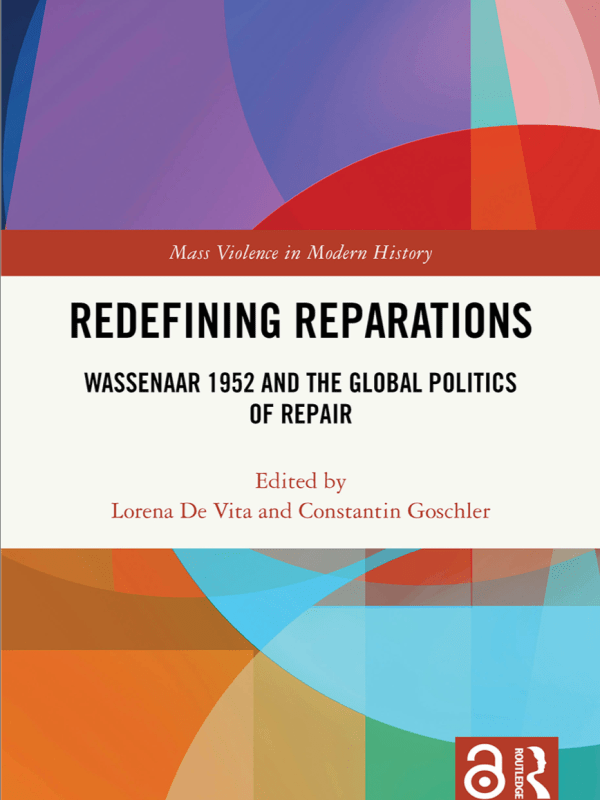
Holocaust Reparations. Scrutinizing “the Model” in Transitional Justice
Nicole Immler wrote a chapter on Holocaust Reparations ‘Holocaust Reparations. Scrutinizing “the Model” in Transitional Justice’, in the book Redefining Reparations, Wassenaar 1952 and the Global Politics of Repair.
Lees verder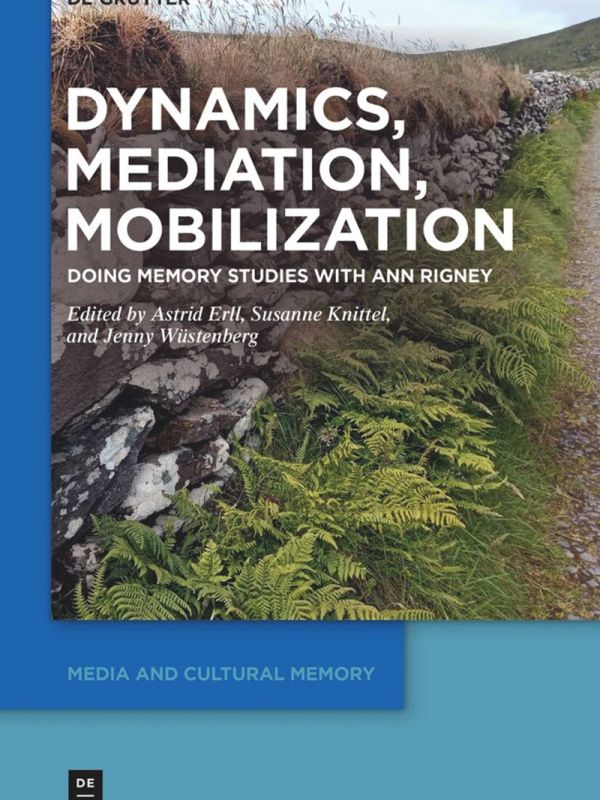
How (Post) Memory Matters to Justice
“How can narrating the past change the future?”. The volume ‘Dynamics, Memory, Mediation: Doing Memory Studies with Ann Rigney’ is a dedication to the work of Ann Rigney. Nicole Immler wrote a chapter on ‘How (Post) Memory Matters to Justice’.
Lees verder
Wéér vergeten we te luisteren naar de gedupeerden in het Toeslagenschandaal
In the reporting on the Child Benefit Affair, the experiences of the affected parents and young people are in danger of being lost, according to Nicole Immler and Niké Wentholt.
Lees verder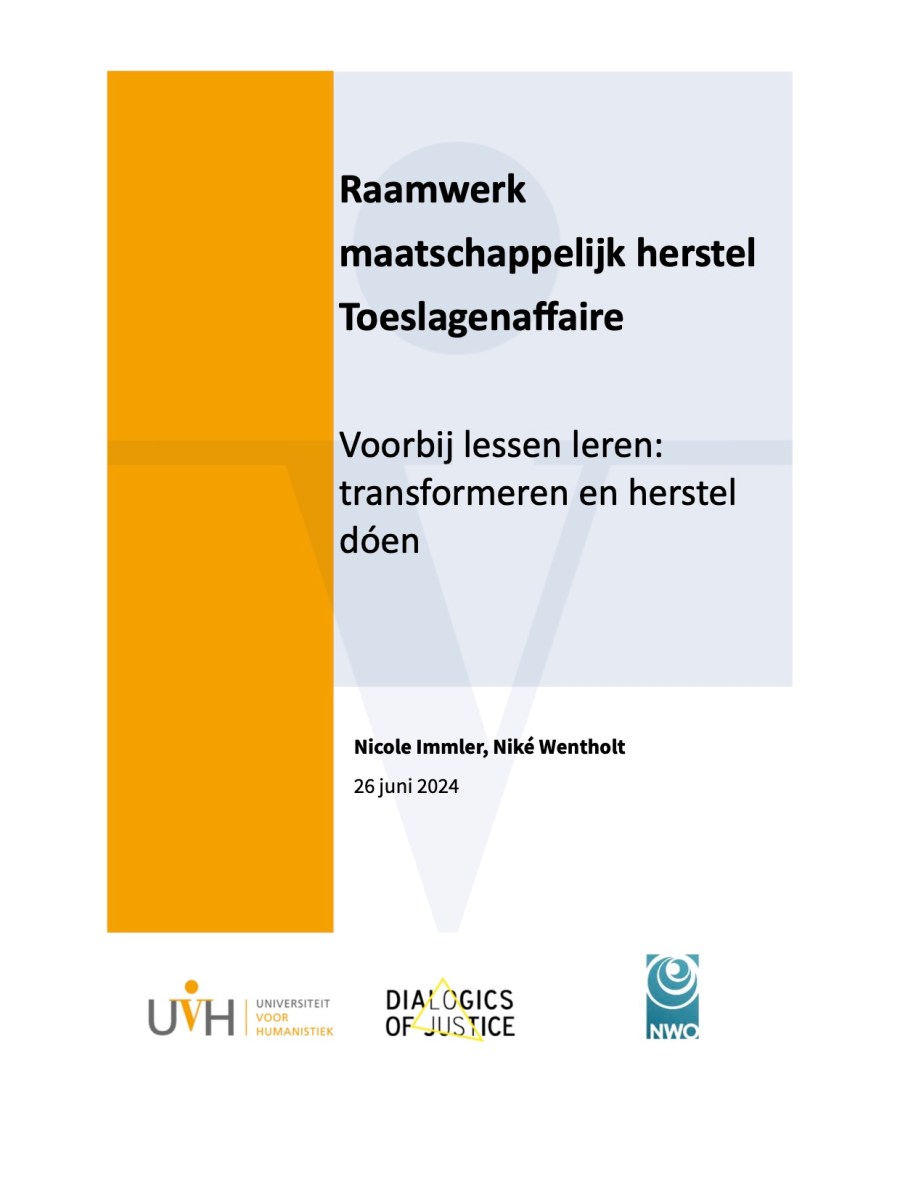
Raamwerk maatschappelijk herstel Toeslagenaffaire. Voorbij lessen leren: transformeren en herstel doén
Nicole Immler and Niké Wentholt created a Framework for Social Repair in the Childcare Benefits Scandal. Beyond Learning Lessons: Transforming and Implementing Repair
Lees verder
Meerstemmig herdenken: een pleidooi voor verbinding
In commemoration culture, an unanimous perspective increasingly prevails. Nicole Immler and Limor Reshef see in their three generation Holocaust research a great need for more multivoicedness, including within ourselves. They argue that learning to see one’s own dialogical self is the precondition for dialogue and connecting people.
Lees verder
Historical abuse in Dutch Catholic institutions: institutional and non-institutional response procedures
Naomi Ormskerk, Maarten Kunst and Nicole Immler discuss historical abuse in Dutch Catholic institutions, both institutional and non-institutional response procedures.
Lees verder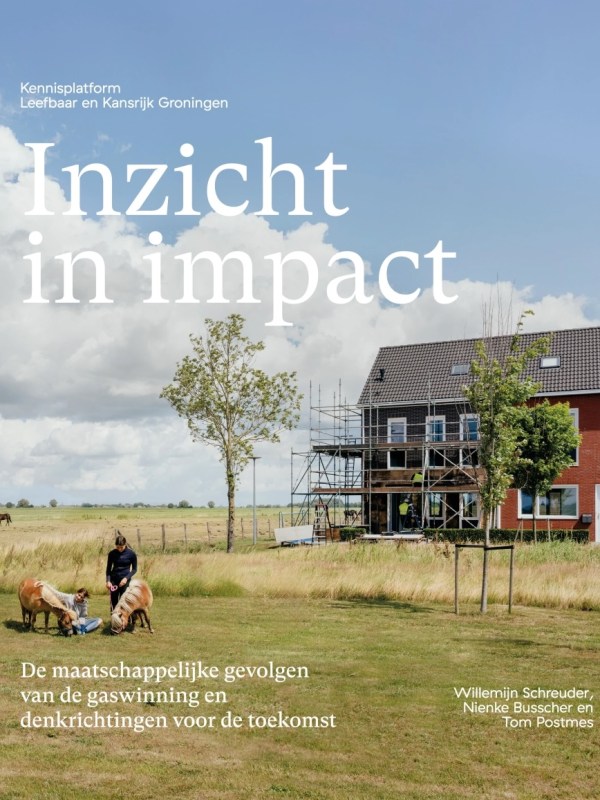
De ontwrichtende logica van de olie- en gasindustrie. Inzichten uit Groningen en de Niger Delta
Nienke Busscher and Obiozo Ukpabi discussed the impacts of extractivist logics of the fossil fuel industry on local residents in Groningen (Netherlands) and the Niger Delta (Nigeria). They explored the similarities and differences in state-corporate responses to the consequences of extraction, and described what is needed to improve current and future activities in both contexts.
Lees verder
Leed en Erkenning. Verschillen tussen de generaties.
Limor Reshef and Nicole Immler wrote about how conversation with Holocaust survivors and their families revealed that the meaning of recognition clearly differs between generations and how important it is to take different needs into account.
Lees verder
Meerstemmigheid in erkenning van onrecht
Dagmar Punter interviewed the DoJ team on the Dialogics of Justice project, and multivoicedness in the recognition of injustice.
Lees verder
Herstel als maatschappelijke opdracht. Zichtbare transformatie van relaties.
This is a discussion note by Nicole Immler and Niké Wentholt on the Child Benefit Affair. They discuss reparation as a social task and the visible transformation of relationships.
Lees verder
De doorwerking van het slavernijverleden
Slavery & the Dutch State. Dutch Colonial Slavery and Its Afterlives.
In this chapter Nicole Immler discusses the legacy of slavery with a transgenerational perspective on repair and Transformative Justice.
As of may 2025 an English translation is available.
Lees verder
How Tort Can Address Historical Injustice
Can you address historical injustice via civil court procedures and why could this be important? In this article Niké Wentholt and Nicole Immler explore the role civil courts could play in facilitating the slavery justice movement.
Lees verder
Rethinking post-colonial recognition from a multi-voiced perspective
Nicole Immler on The Netherlands-Indies and rethinking post-colonial recognition from a multi-voiced perspective. She argues that in the communication of pain, language matters.
Lees verder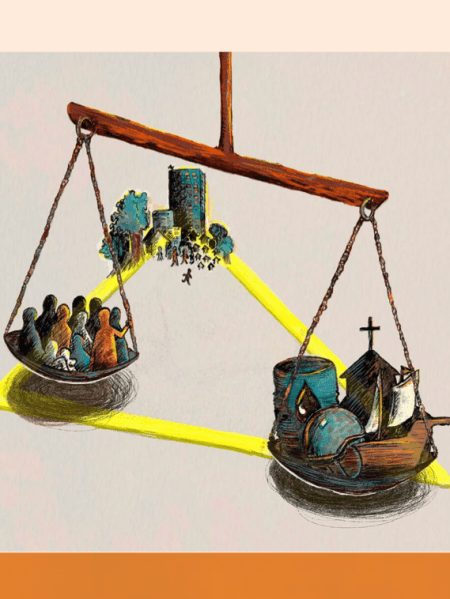
De (Dia)Logics van Herkenning en Herstel. Het belang van geschiedenis voor rechtvaardigheid
Nicole Immler’s inaugural lecture on the (dia)logics of recognition and restoration. She discussed the importance of history for justice.
Lees verder
Bosnië is veranderd, terwijl wij zelf stil zijn blijven staan
Nicole Immer, Siri Driessen and Jeannette van Brenk on when return journeys of veterans are truly meaningful. They discuss the return journeys of veterans from a relational perspective.
Lees verder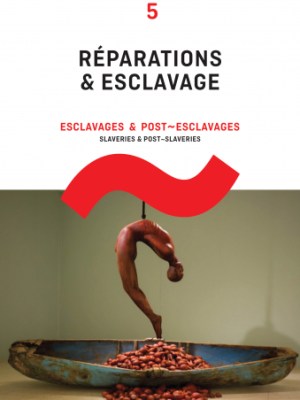
What is Meant by ‘Repair’ when Claiming Reparations for Colonial Wrongs?
Nicole Immler on what is meant by ‘repair’ when claiming reparations for colonial wrongs. She discusses Transformative Justice for the Dutch Slavery Past.
Lees verder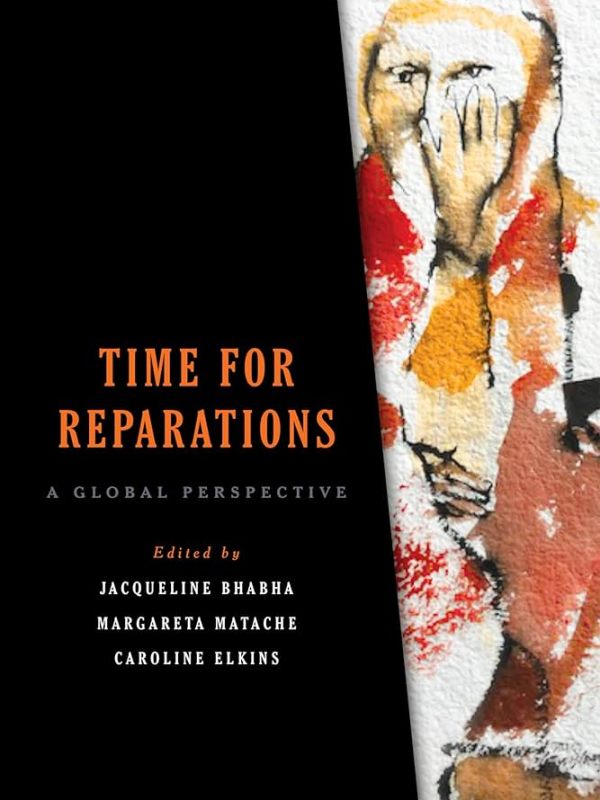
Legal decisions and their dilemmas
Chapter by Nicole Immler on Colonial history at court: Legal decisions and their dilemmas.
Lees verder
Het slavernijverleden als erfenis
The colonial past is a legacy that connects generations over time and remains vividly present today. From a new generational perspective, Nicole Immler discusses how to deal with this legacy.
Lees verder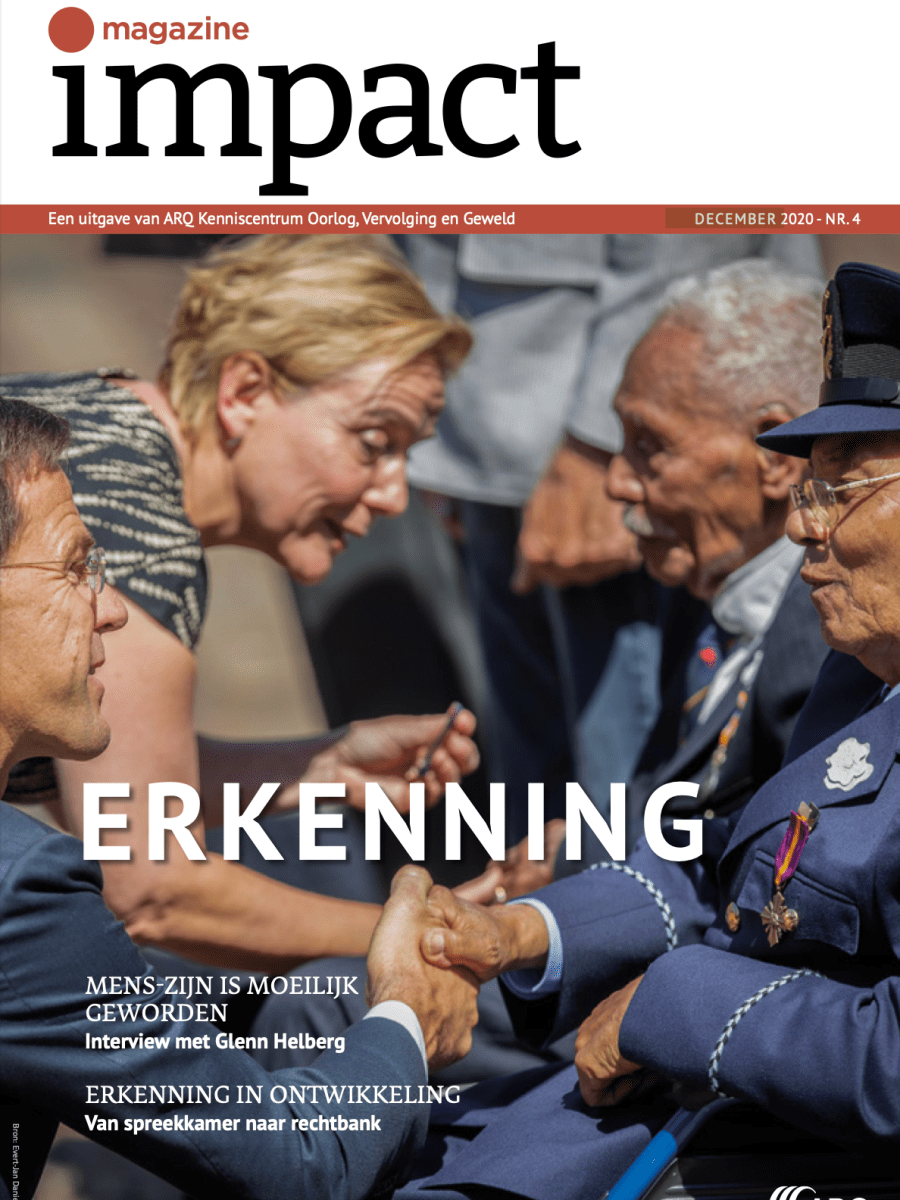
Erkenning: Het herstel van sociale relaties
Nicole Immler on the history of recognition since World War II. She concludes her article with a plea for broader recognition—not only for victims but also for their social environment and community.
Lees verder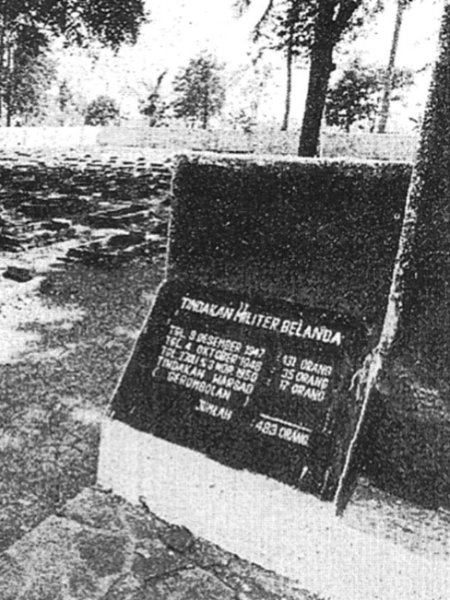
Seeking justice for the mass execution in Rawagede
Nicole Immler and Stef Scagliola on seeking justice for the mass execution in Rawagede. Probing the concept ‘entangled history’ in a postcolonial setting.
Lees verder Homepage