
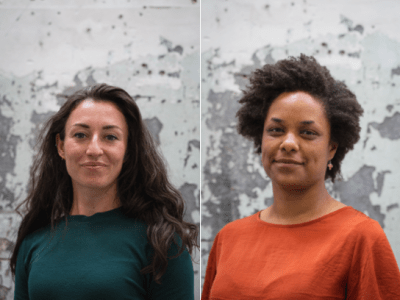
NWO grant for research into compensation payments by Shell to affected communities in the Niger Delta
Niké Wentholt and Obiozo Ukpabi will conduct research into so-called “transformative” justice in the Niger Delta. They have been awarded an NWO XS grant for this purpose.
Lees verder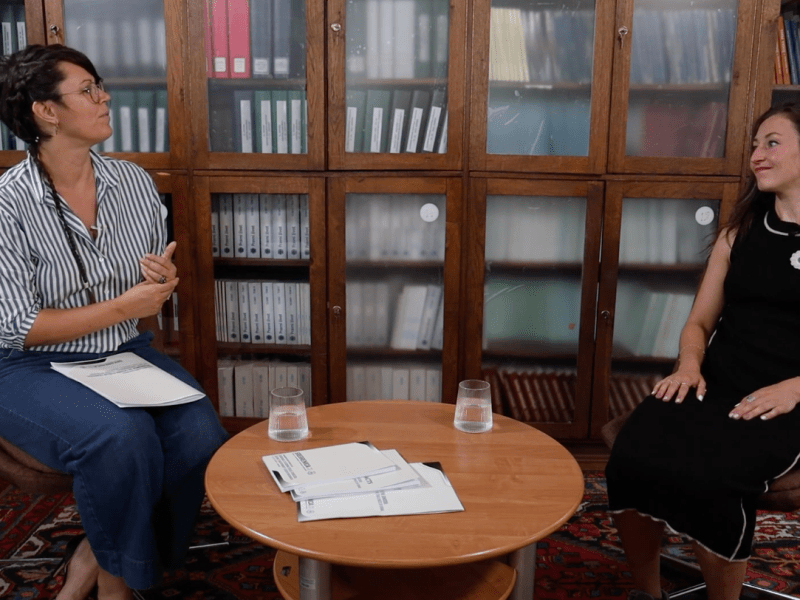
Podcast: Responsibility for the Future with Niké Wentholt
As part of her contribution to the 30 Years Srebrenica genocide-conference in Sarajevo in July 2025, Niké was invited to participate in the podcast UNSAJDER made for that important anniversary. In the podcast episode, she reflects together with presenter Tina Kalinić on questions of Dutch responsibility and epistemic justice in scholarly research on genocide.
Lees verder
Interview on the meaning of freedom as a scientist and human being
1/6/2025 ‘Erkenning van het verleden biedt vrijheid voor de toekomst’ – Vrij Nederland
‘Recognition of the past offers freedom for the future.’ That is Nicole Immler’s position in the conversation with Annemiek Leclaire for Vrij Nederland about the meaning of freedom as a scientist and as a human being.
Lees verder
140 Jahre Berliner Afrika-Konferenz
23/5/2025 – ‘140 Jahre Berliner Afrika-Konferenz’ – Zeitgeschichte Online
Report by Nicole Immler on her visit of the Africa Conference in Berlin. It is about much more than genocide or restitution: dignity – at the conference commemorating the Berlin Africa Conference of 1884/85. To this day, the conference continues to shape European thinking about Africa and African thinking about Europe. It is worth taking a close look at the narratives that have become established about the conference and examining their consequences.
Lees verder
Podcast Dialoog: De Geschiedenis is voorbij, de Dialoog niet.
7/4/2025 ‘De Geschiedenis is voorbij, de Dialoog niet’ – Podcast Dialoog
In this podcast episode by Stichting Dialoog NJI, Nicole Immler discusses the impact of trauma and the importance of engaging in dialogue. This is difficult, but according to Immler, you don’t always have to agree to make progress. Listening and self-reflection are key.
Lees verder
Opinion piece on learning how to demonstrate and how they do it in Serbia
20/03/2025 ‘Demonstreren kun je leren. Zo doen ze het in Servië’ – Trouw
Niké Wentholt wrote an opinion piece to connect the ongoing, inspiring student-led protests in Serbia to the urgency to protest in the Netherlands. Here, too, we can come together in our shared dissatisfaction with right-wing politics and increasing authoritarianism. The piece was published a day before the international day against racism and the mass protest (15.000 people joined) against racism and fascism on March 21.
Lees verder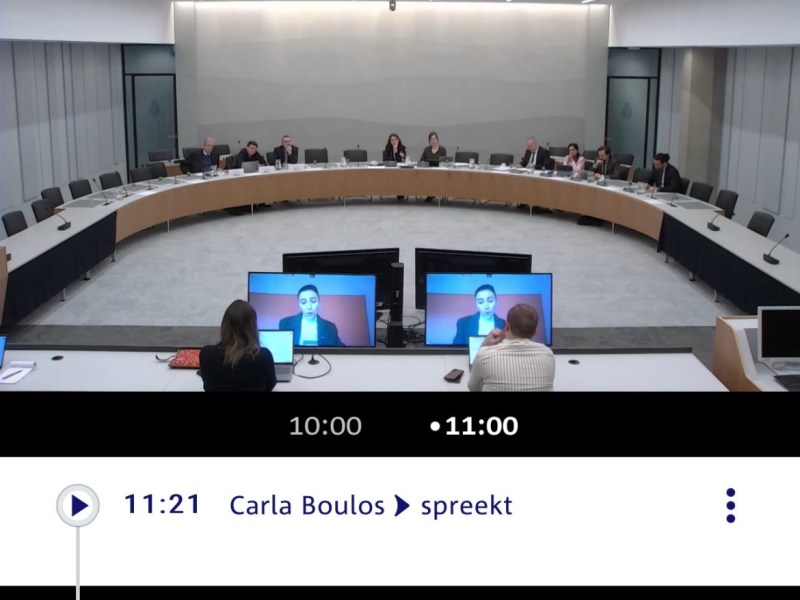
Carla Boulos spoke at a roundtable at the Dutch Parliament
5/3/2025
On March 5, 2025 Carla Boulos participated at the Dutch Parliament in a roundtable on Syria as a women’s rights specialist, sharing her thoughts on how the Dutch government can support Syrian women in this critical moment.
Lees verder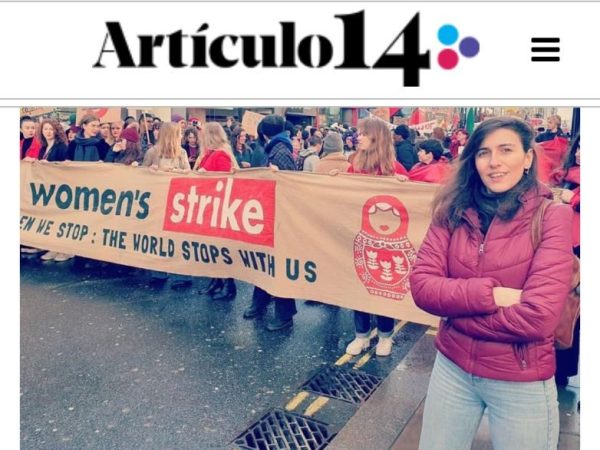
Interview on the necessary role of women in the transition in Syria
16/12/2024 ‘Sin las mujeres no podrá haber una transición en Siria’ – Artículo 14
Carla Boulos emphasizes that women have been fundamental to Syria’s survival during the war. She notes that while men were engaged in combat, women managed households, took on various jobs, and led civil society, effectively sustaining the country. However, she laments that Syrian society has not fully recognized this decisive role.
Lees verder
Interview on ‘three generations’ research emphasizes the importance of paying attention to diversity in perspectives
14/12/2024 ‘Hoe werkt oorlog door op verschillende generaties?’ Platform WO2
Nicole Immler, Bart Nauta (ARQ) and Matthijs Kuipers (National Committee 4 and 5 May) were interviewed by Fabienne van Wijngaarden about the similarities between their ‘three generations’ research and about the different emphases that are placed.
Lees verder
Radio interview on the independence of Bosnia and Herzegovina, and the upcoming European elections
On March 1, 2024, Niké Wentholt was interviewed for an hour about Independence Day in Bosnia. On June 3, 2024, Niké spoke about Bosnia and Herzegovina in light of the upcoming European elections.
Lees verder
Interview on pleading for more space at universities for debate and emotions
30-10-2023 ‘Verdeeldheid over hoe verder op Universiteit Utrecht nu debat over oorlog verhardt: waar doe je goed aan?’ – AD
In this article Nicole Immler was interviewed on how the debate on war intensifies at universities, specifically in the conversation about the war between Israël and Hamas. In the interview she pleaded for more space at universities for debate and emotions.
Lees verder
Call on Dutch institutions for higher education to speak out on (de)humanization in the face of the violence in Palestine and Israël
27/10/2023 ‘Hamas-Israël conflict moet studenten leren niemand te ontmenselijken’ – Trouw
‘Wees niet bang om ‘partij te kiezen’ gericht op humanisering’ – Nieuw Wij
In this opinion piece Siri Driessen, Nicole Immler, Obiozo Ukpabi and Niké Wentholt called on Dutch institutions for higher education to take a stand against dehumanization in the face of terrorist attacks and genocidal violence.
Lees verder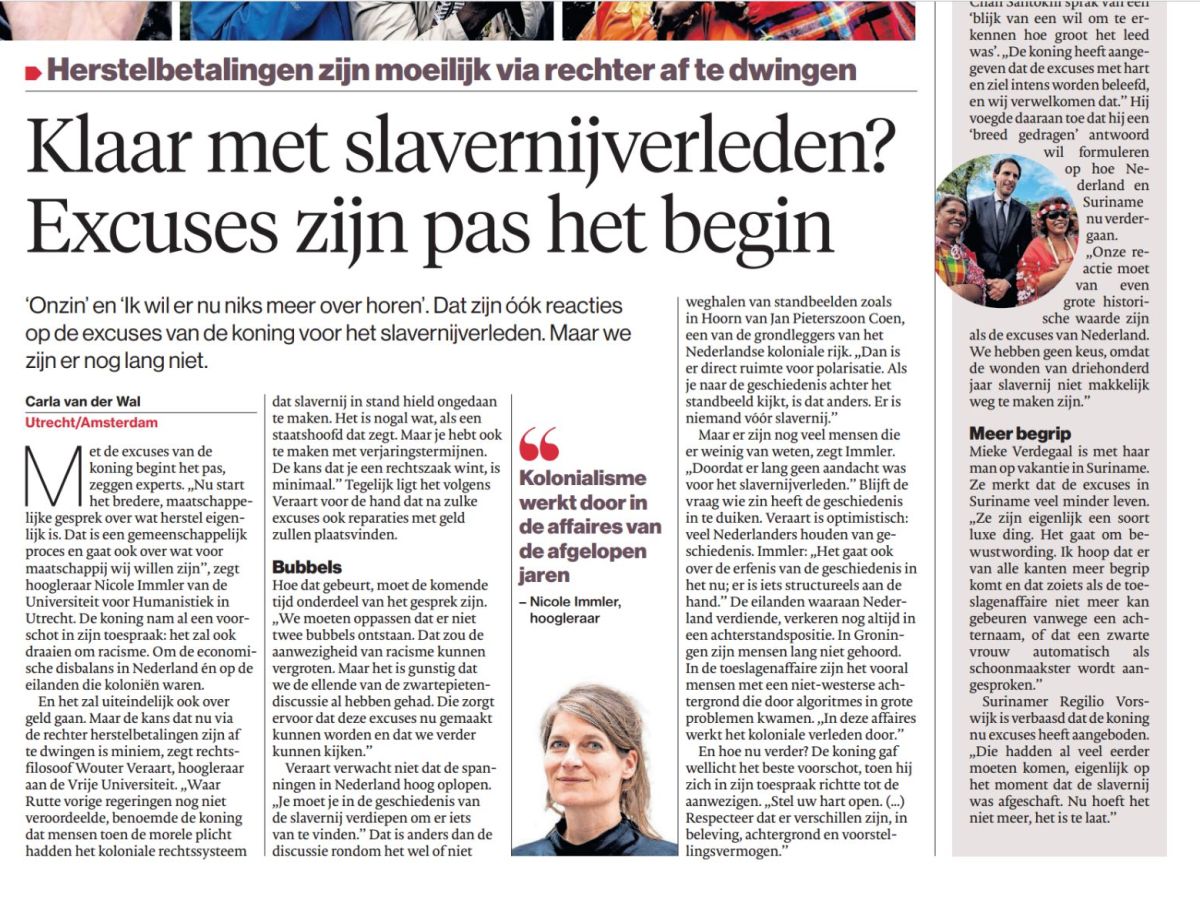
Towards a broad societal conversation about what repair constitutes
2/7/2023 ‘Klaar met slavernijverleden? Excuses zijn pas het begin’ – AD
In this article by Carla van der Wal about the commemoration of the Dutch slavery past, Nicole Immler argues for a broad societal conversation about what repair constitutes. “This is a collective process and also revolves around what kind of society we want to be.”
Lees verder
Nicole Immler cited by Deputy Prime Minister Carola Schouten in her speech on slavery past commemoration
1/7/2023
Nicole Immler was quoted in the speech held by Deputy Prime Minister Carola Schouten at the commemoration of the slavery past on 1 July 2023 in Middelburg. “The slavery past feels close due to the structures this history has left behind.”
Lees verder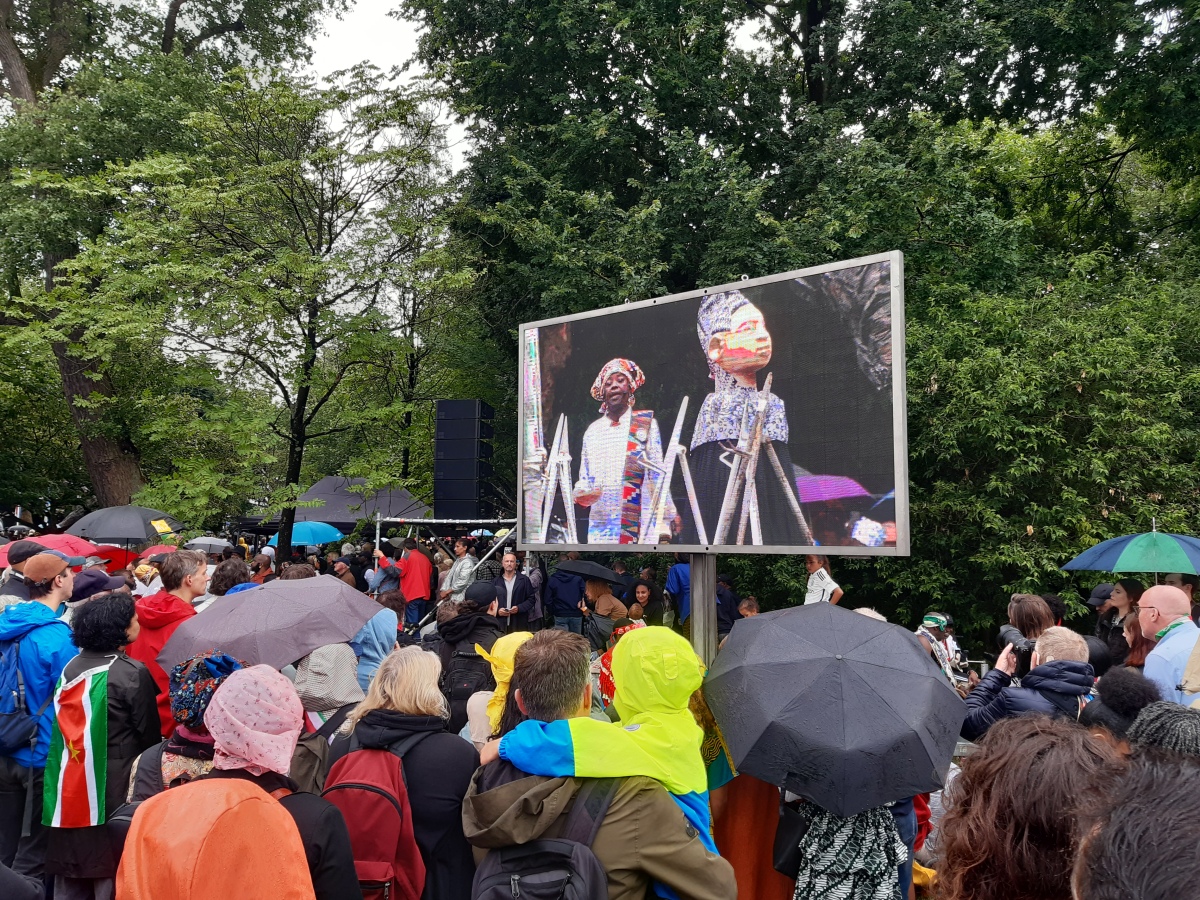
Interview on repair for the slavery past
30/6/2023 ‘Hoe zien de herstelbetalingen voor slavernij eruit?’ – Trouw
Nicole Immler was interviewed by Robin Goudsmit en Maurice Timmermans about repair for the slavery past. It is the elephant in the room during the slavery commemoration: reparations. Will they ever come, and what should restitution look like?
Lees verder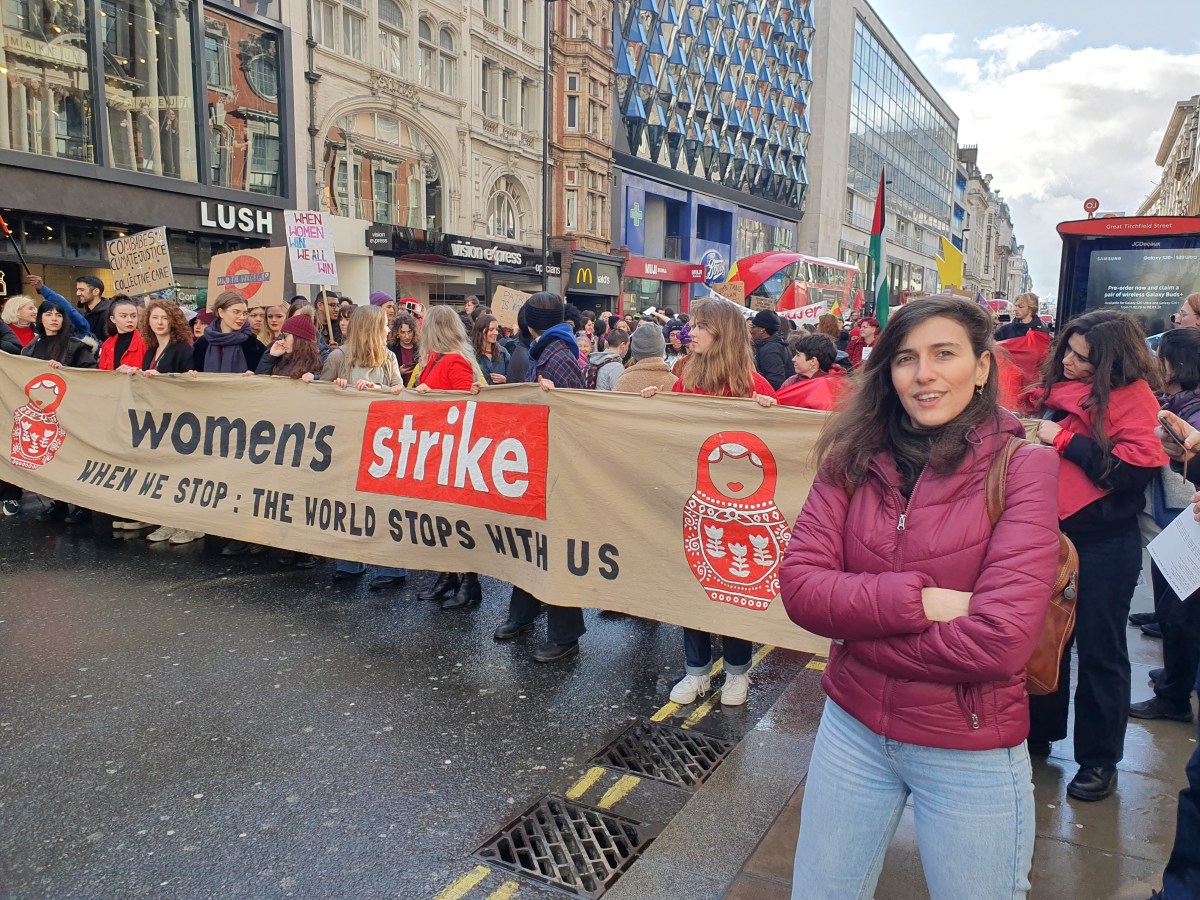
Welcoming Carla Boulos as a new team member
1/9/2023
We are happy to welcome Carla Boulos, who will join the Dialogics of Justice team in September 2023.
Lees verderOpinion piece on how ruling of ‘statute of limitations’ is misplaced in the case of institutional suffering
05/04/2023 ‘Verjaring beschermt foute instituties’ – NRC
Naomi Ormskerk and Nicole Immler published an opinion piece in reaction to the ruling in a claim brought to the court by women who had suffered institutional abuse within a religious institution. Thousands of girls were forced to perform hard labor in Catholic ‘charitable institutions.’ The ruling of ‘statute of limitations’ is misplaced in this case of institutional suffering.
Lees verderOpinion piece on how both religious institutions and victims of institutional abuse have a role to play in restoration
11/01/2023 ‘Zowel de slachtoffers van misbruik als kerkelijke instituties hebben een rol in het herstel’ – Trouw
Naomi Ormskerk wrote an opinion piece on how forced labor and exploitation within Catholic institutions have caused significant suffering, for example, among girls in the institutions of ‘De Goede Herder’. In addressing this harm, both the victims and the responsible institutions have a role to play in the process of restitution and reconciliation.
Lees verderHoe je excuses aanbiedt voor historisch onrecht
28/11/2022 ‘Een historisch excuus aanbieden, hoe doe je dat? Deze vijf zaken kunnen het maken of breken’ – Trouw
Nicole Immler in Trouw on how to offer apologies for historical injustices. Rianne Oosterom writes about the debate surrounding apologies for the history of slavery and asks how it can be done properly. Professor Nicole Immler often observes the same mistakes being made when offering apologies for historical injustices.
Lees verder
Opinion piece calling on Shell to reckon with its controversial legacies in the Netherlands and Nigeria
27/11/2022 ‘Mensen gaan boven economische belangen’ – NRC
Obiozo Ukpabi wrote an opinion piece where she calls on Shell to reckon with its controversial legacies in the Netherlands and Nigeria. Ukpabi writes in reaction to the decision of the four Nigerian widows who sued Shell for their alleged complicity in human rights violations in the Niger delta, to drop their case. After years of litigation they see no more options to seek redress for the ‘unavoidable consequences of the destructive logic of profit over people’.
Lees verder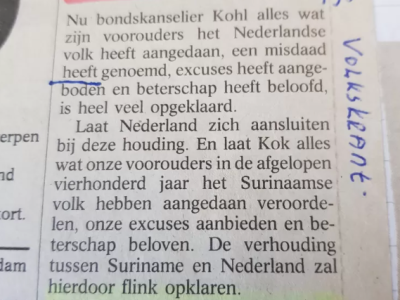
Reconstructing how their history became our history
12/11/2022 ‘Hoe de discussie over het slavernijverleden van de brievenrubriek naar de voorpagina verschoof’ – Trouw
In this article, Rianne Oosterom reconstructs how the Dutch slavery past moved from the letters page (with a letter from Volkskrant reader Roy Kaikusi Groenberg) to the front page of the public debate. Recently, the Dutch cabinet announced that it will offer formal apologies for the role of The Netherlands in the slavery past. Nicole Immler provided Oosterom with commentary on this decision.
Lees verder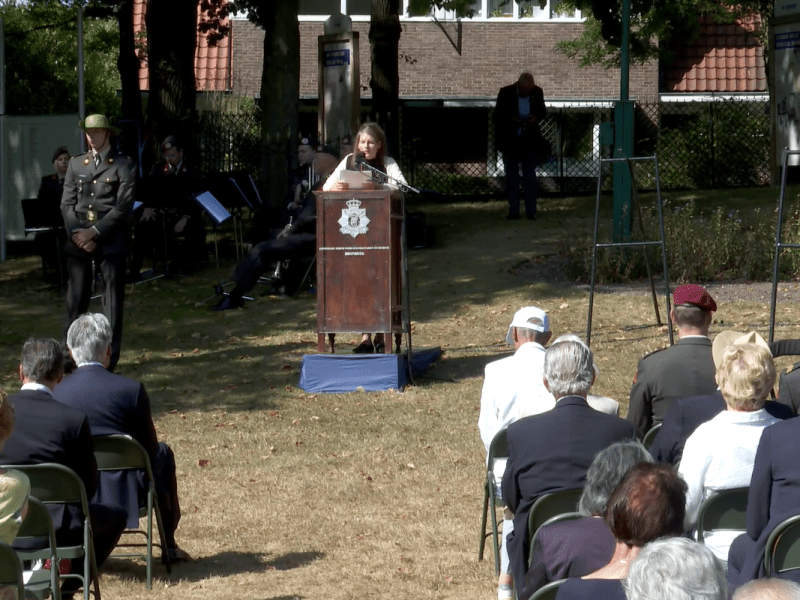
Public lecture at the Commemoration of boys and women’s camps in Indonesia during the Japanese occupation
21/08/2022 ‘Herdenken om te verbinden in de meerstemmigheid’ – Impact Magazine
On this special occasion Nicole Immler gave a lecture on ‘Commemorating to Connect in Multivoicedness’. The organisers of the commemoration wished to reflect on the question of renewal of their commemorative tradition. How can we do this in a way that remains relevant for a younger generation when, in future, there will be no more survivors of the atrocities to commemorate with?
Lees verderOp-Ed on Court Ruling Birthmothers v The State
03/02/2022 ‘De rechter liet afstandsmoeders in de kou staan. En wat doet de overheid?’ – Trouw
Empathy from the Court is not enough when the State refuses to recognise institutional failures. This opinion piece by Niké Wentholt and Nicole Immler analyses missed opportunities in ruling on Birthmothers v The State.
Lees verder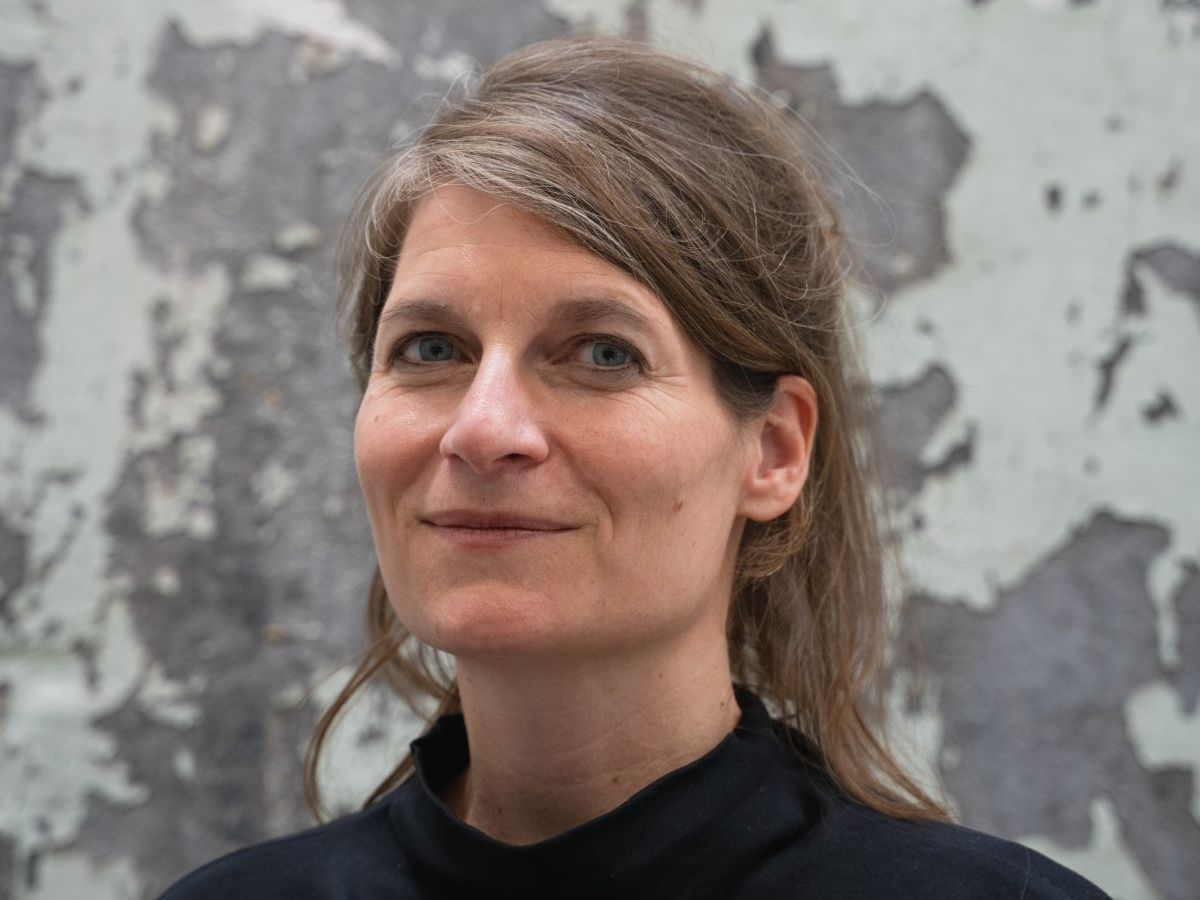
Nicole Immler appointed as Professor of Historical Memory and Transformative Justice
1/7/2021
As of July 1, 2021 , our principal investigator Nicole Immler has been appointed professor of Historical Memory and Transformative Justice at the University of Humanistic Studies. The new chair responds to the juridification of society, and aims to contribute to a more human-centred approach to social justice.
Lees verder
Podcast on the Keti Koti debate
01/07/2021 Podcast on the Keti Koti debate – Podcast Pluralistiek
Nicole Immler participated in a podcast hosted by the University of Humanistic Studies (Utrecht). On the 1st of July each year, the celebration of Keti Koti marks the abolition of slavery in Suriname. Nicole and student Farach Winter talked about the importance of dialogue and the meaning of reparations, especially in light of the ongoing debate on recognition of the colonial history of the Netherlands.
Lees verder
Opinion piece on the need for debate after legal procedures
15/06/2021 ‘Het gesprek over Srebrenica is nu aan ons’ – Trouw
Niké Wentholt and Marrit Woudwijk wrote an opinion piece on the need for debate after legal procedures. They argued that two recent legal developments with regard to the 1995 genocide in Srebrenica demonstrate the limitations of legal procedures and therefore this momentum should be used as an opportunity for a broader debate on recognition and justice.
Lees verder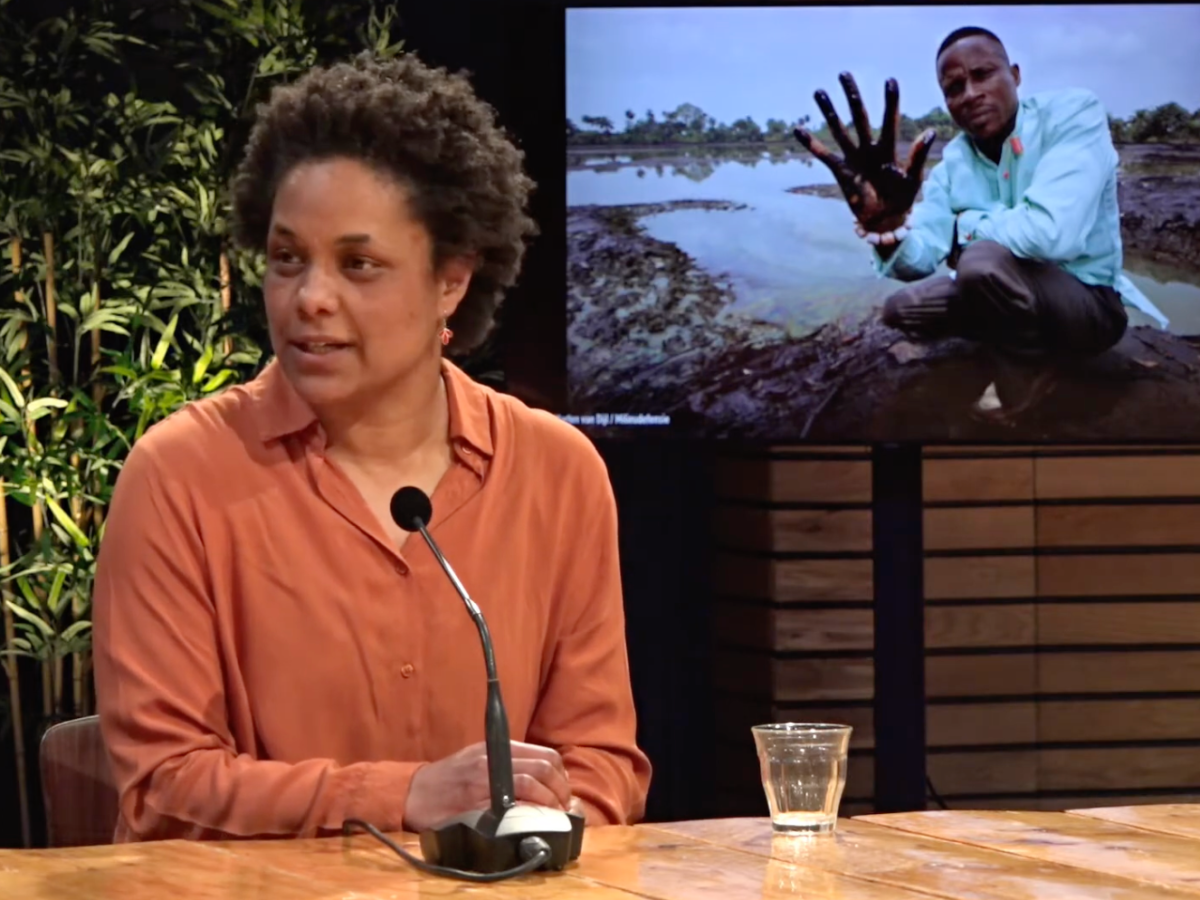
Livecast on society vs. fossil energy
25/03/2021 ‘Maatschappij vs. fossiel’ – Pakhuis de Zwijger
Obiozo Ukpabi participated in a panel discussion hosted by Pakhuis de Zwijger on the growing number of (legal) confrontations between citizens and NGOs on the one hand, and fossil fuel corporations on the other.
Lees verder
Opinion piece on colonial history as shared history
11/03/2020 ‘Geef ons koloniaal verleden een gedeelde taal’ – NRC
Nicole Immler wrote an opinion piece on the public apology made by Dutch King Willem Alexander for the ‘excessive violence’ on Dutch side during the indepence struggle of Indonesia. She argued that current public debate on colonial violence does not sufficiently recognize the need for a broader process in which the colonial history is perceived as a shared history.
Lees verder
Opinion piece on the legal judgement against Shell
11/02/2021 ‘Shell komt te makkelijk weg’ – NRC
Obiozo Ukpabi wrote an opinion piece on the meaning and limitations of the ruling of the Dutch court in the civil court case against the multinational Royal Dutch Shell. She argued the legal framework provides limited possibility to address the actual problem those affected by environmental harm face.
Lees verder Homepage