
Nicole Immler’s inaugural lecture on the (dia)logics of recognition and restoration. She discussed the importance of history for justice.
Lees verder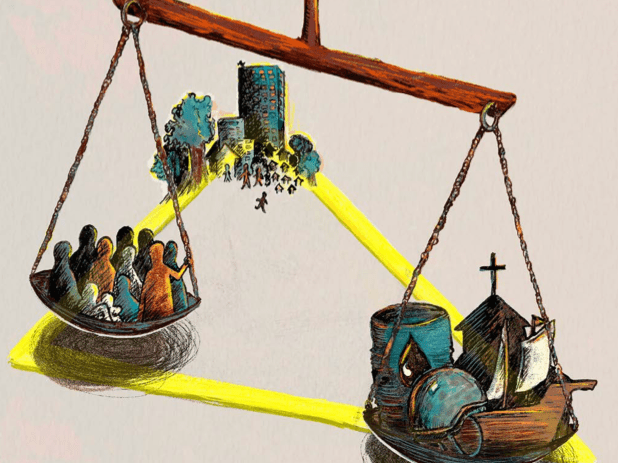
Nicole Immler’s inaugural lecture on the (dia)logics of recognition and restoration. She discussed the importance of history for justice.
Lees verderHoe erken, verwerk en herstel je historisch onrecht en trauma? Van excuses tot herstelbetalingen, en van kennisverspreiding tot échte sociale gelijkwaardigheid: hoe maken we van het slavernijverleden een gedeeld verleden? Een gesprek met prof. Nicole Immler, dr. René Koekkoek (Universiteit Utrecht) en Urwin Vyent (directeur Nationaal instituut Nederlands slavernijverleden en erfenis) over excuses, erkenning en herstel. […]
Lees verder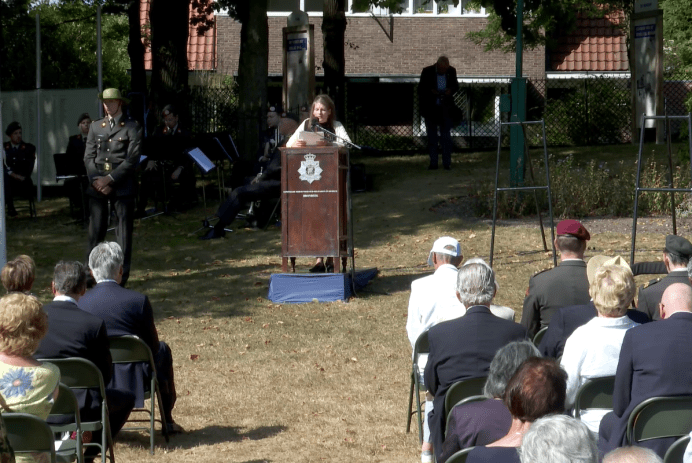
21/08/2022 ‘Herdenken om te verbinden in de meerstemmigheid’ – Impact Magazine
On this special occasion Nicole Immler gave a lecture on ‘Commemorating to Connect in Multivoicedness’. The organisers of the commemoration wished to reflect on the question of renewal of their commemorative tradition. How can we do this in a way that remains relevant for a younger generation when, in future, there will be no more survivors of the atrocities to commemorate with?
Lees verderOn 29 September Nicole Immler delivered her inaugural lecture as Professor Historical Memory and Transformative Justice at University of Humanistic Studies. The inaugural lecture was republished (shortened) in the Tijdschrift voor Herstelrecht, as the Dialogics of Justice research contributes to the discussion on what constitutes restorative justice (‘herstelrecht’), also a social movement in the making. […]
Lees verder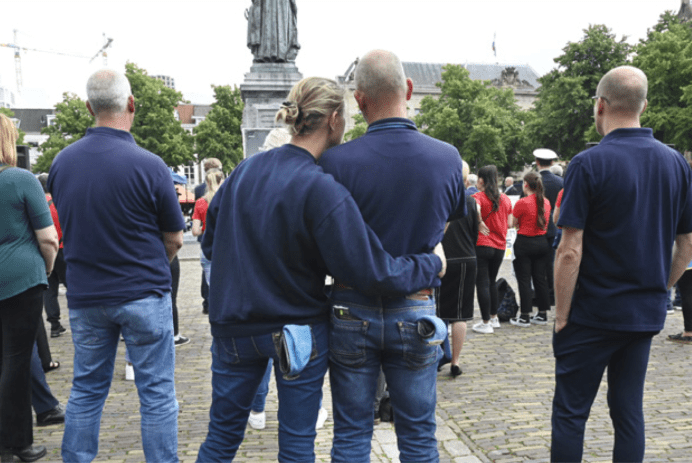
Nicole Immer, Siri Driessen and Jeannette van Brenk on when return journeys of veterans are truly meaningful. They discuss the return journeys of veterans from a relational perspective.
Lees verder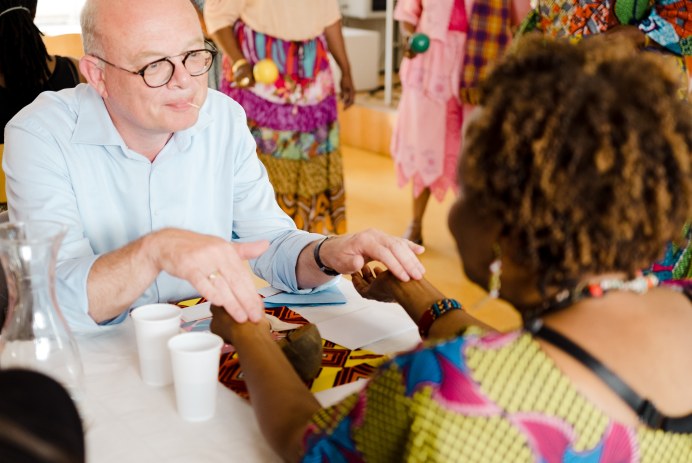
Nicole Immler & Niké Wentholt
Some say that talking about the past of slavery polarises. The opposite appears true. At the Keti koti dialogue tables happening all over the Netherlands currently, we talk together about the role of this history in our lives now, and in the society we are part of. This creates a shared narrative: our past of slavery connects us,
Lees verderOn 25 March we were invited to contribute to the final symposium of the ‘Twinning project: Restorative Justice Suriname and the Netherlands’ at the Faculty of Law at Maastricht University, organized by Jacques Claessen. Researchers and professionals from Suriname and the Netherlands have started a collaboration to extend their knowledge of restorative justice, its […]
Lees verder
03/02/2022 ‘De rechter liet afstandsmoeders in de kou staan. En wat doet de overheid?’ – Trouw
Empathy from the Court is not enough when the State refuses to recognise institutional failures. This opinion piece by Niké Wentholt and Nicole Immler analyses missed opportunities in ruling on Birthmothers v The State.
Lees verderJoin the virtual book launch of Time for Reparations: A Global Perspective, an interdisciplinary conversation by scholars and advocates to broaden our understanding of reparative strategies in the search for justice and equity. Historical injustices keep generating harm if they stay unaddressed – that premise strongly resonates with our research on the Dialogics of Justice. […]
Lees verder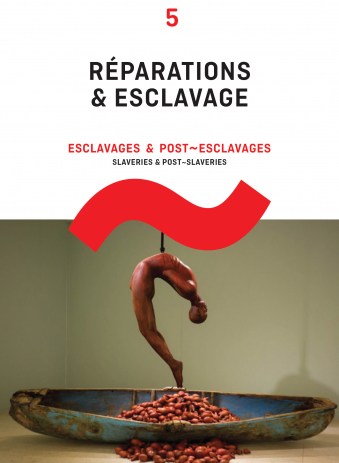
Nicole Immler on what is meant by ‘repair’ when claiming reparations for colonial wrongs. She discusses Transformative Justice for the Dutch Slavery Past.
Lees verder Homepage